Strategic Poker Expressions Made Easy
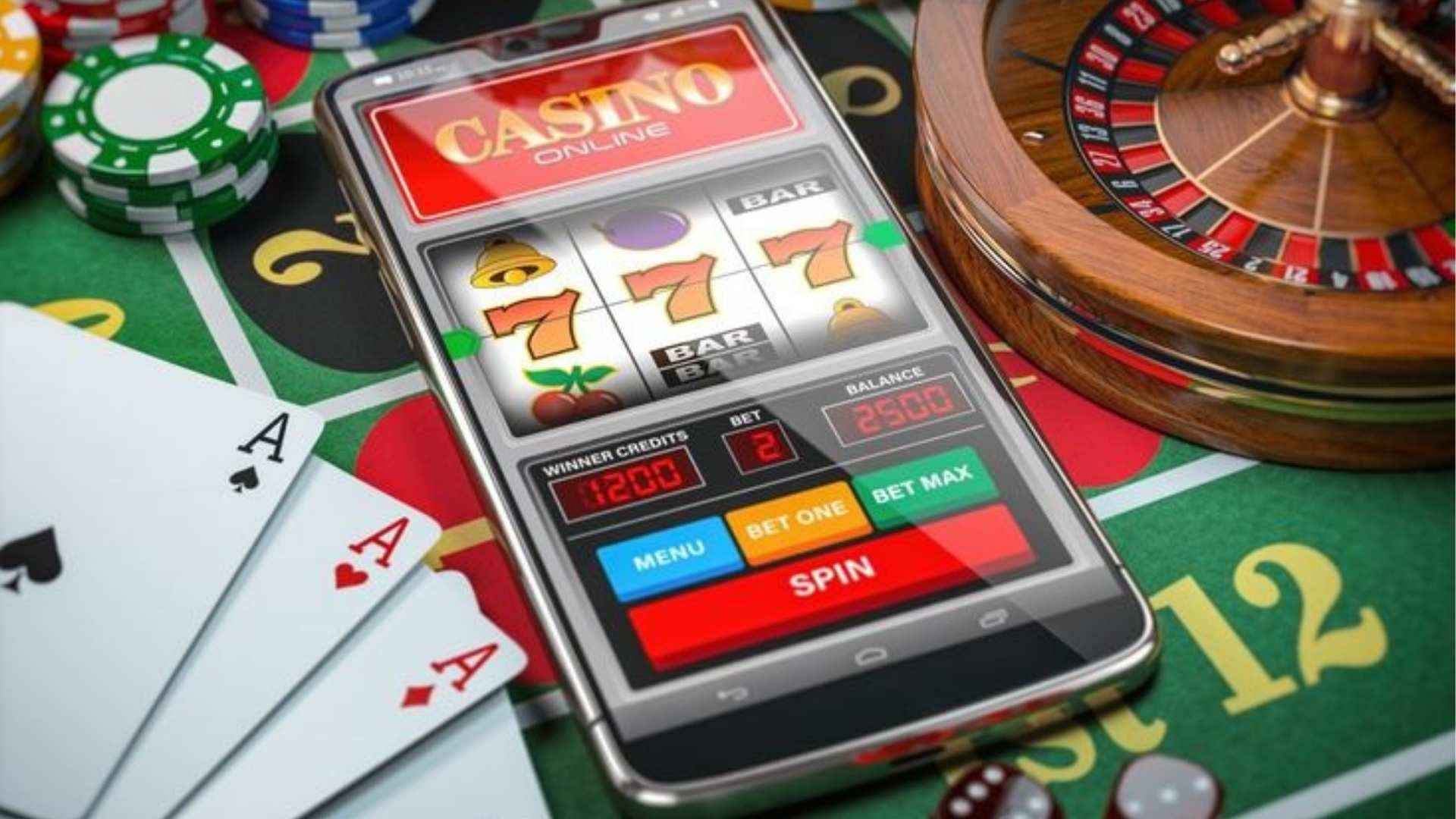
Stepping into the world of poker means learning a specialized vocabulary that goes far beyond simple card rankings. For many enthusiasts, decoding the complex phrases used during a live or digital match is the first major step toward strategic mastery. This guide simplifies advanced table language to help you communicate effectively and make logical decisions during your upcoming sessions.
Decoding the Language of Positional Strategy
Where you sit at a card table directly dictates how much information you can collect before making a decision. Table positions are split into categories that reflect your relative distance from the dealer button, which rotates after every hand. Understanding these spatial designations allows you to categorize risks and adjust your preflop starting requirements accurately.
Early position refers to the players who must act first without knowing how the rest of the table will react to their cards. Conversely, late position offers a major tactical advantage because you can observe your opponents choices before finalizing your own play. Managing your strategy according to these spatial terms separates casual participants from analytical competitors.
The Mathematical Foundations of Table Choice
Experienced players use a distinct group of phrases to describe mathematical equity and potential outcomes during a live round. When someone discusses a draw, they are referring to an incomplete combination that requires specific cards to achieve a winning hand status. Recognizing the ratio between your investment and the potential reward is vital for calculating long-term profitability.
Evaluating card probabilities ensures you do not waste valuable resources chasing unlikely combinations under intense pressure. Checking the underlying math allows you to determine whether a current wager is justified based on the statistical composition of the remaining deck. Utilizing these concepts regularly helps you transition from relying on raw luck to applying balanced game strategies.
Psychological Communication and Platform Selection
The mental aspect of card games introduces specialized phrases that describe deceptive behaviors and unexpected table developments. A tactical bluff happens when a competitor makes a large wager with a weak hand to push opponents out of the pool. Spotting subtle patterns in betting behavior allows you to identify when an opponent is masking their true hand strength.
Finding a reliable platform to practice these concepts is essential for building confidence and improving decision-making speeds. Digital enthusiasts frequently utilize a trusted M88asia portal to study active table dynamics in a secure contemporary environment. Immersing yourself in balanced fields helps you naturally internalize complex jargon without feeling overwhelmed by experienced regular players.
Managing Fluctuations and Mental Variance
Succeeding over a long gaming journey requires maintaining strong emotional composure when faced with unpredictable card outcomes. The phrase variance refers to the natural mathematical swings that occur regardless of how perfectly you execute your strategy. Accepting this reality prevents frustration and keeps your critical thinking processes sharp during challenging sessions.
A bad beat describes a painful scenario where a highly favored, statistically dominant hand loses at the very last moment due to an unlikely card sequence. Learning to process these occurrences objectively ensures you maintain a disciplined table routine rather than making emotional mistakes. Internalizing this specialized language ultimately allows you to evaluate your overall performance based on logic instead of short-term results.